How to Define Your Brand’s Identity Before You Start Designing
Many new fashion brands jump straight into designing clothes — but end up with a collection that feels disconnected, confusing, or forgettable.
Many new fashion brands jump straight into designing clothes — but end up with a collection that feels disconnected, confusing, or forgettable.
Before you pick colors or fabrics, ask yourself:
What does your brand stand for? Who are you designing for? And why should people care?
The most successful brands always start with a strong brand identity.
1. Define Your Core Values
What beliefs guide your brand?
Examples:
-
Sustainability over trends
-
Community and inclusivity
-
Quality and craftsmanship
-
Simplicity and timelessness
These values shape everything — from product design to packaging to marketing tone.
2. Know Your Target Customer
You can’t design for “everyone.” Be specific:
-
Are they streetwear lovers? Minimalists? Skaters? Creatives?
-
What do they wear daily? Where do they hang out?
-
What problem are you solving for them?
If your customer feels “seen,” they’ll connect with your brand emotionally.
3. Clarify Your Aesthetic Direction
Your brand’s visual identity should feel intentional, not random.
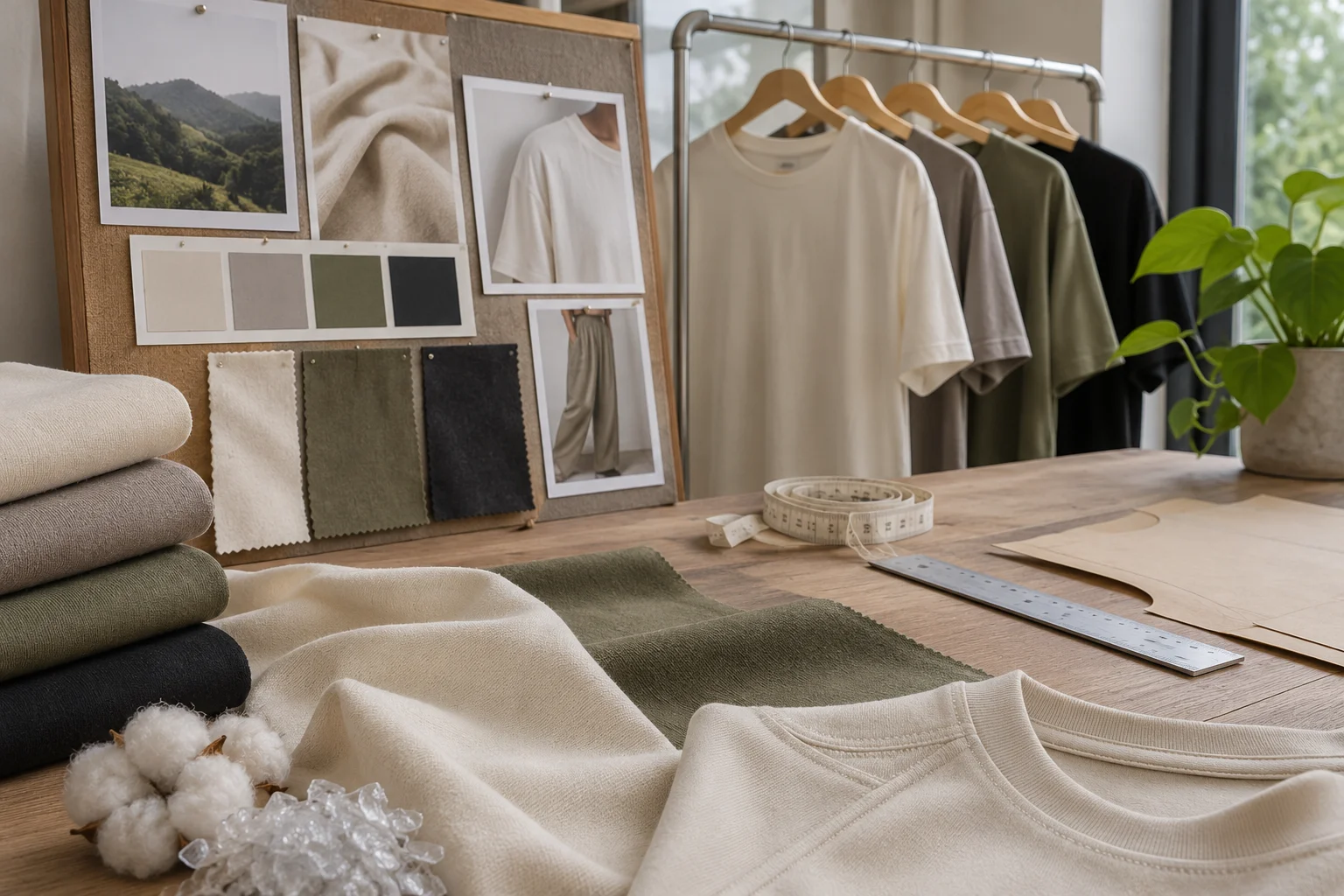
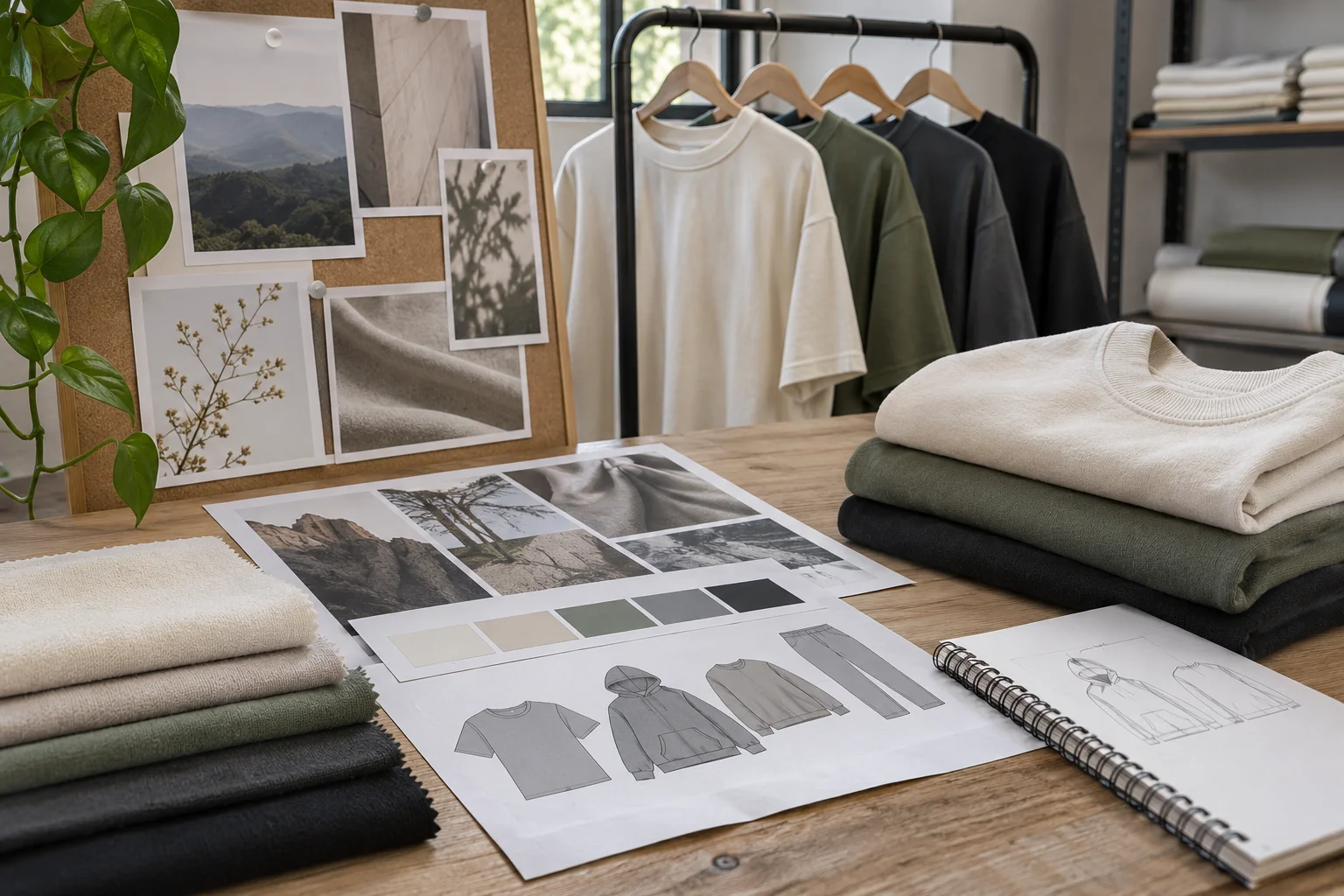
Use moodboards to lock in:
-
Color palette
-
Typography & tone
-
Photography style
-
Product silhouettes
This helps you stay consistent when working with designers, factories, or social media teams.
4. Don’t Confuse Identity With Product
Your brand is more than just T-shirts or hoodies.
Ask: If you couldn’t show the product, how would someone recognize your brand?
Identity shows up in story, language, presentation — not just physical design.
HEM APPAREL’s Tip:
Before sampling anything, build a simple brand deck (even just 5–10 slides).
Include your mission, values, mood, ideal customer, and visual references.
It’ll save you time, money, and confusion later.
Last updated: