

When it comes to details like collars, cuffs, and waistbands, rib knit fabric plays a small but important role in both fit and function. Understanding 1x1 vs 2x2 rib helps you make better decisions when developing tees, polos, hoodies, or sweaters.
🔍 What is Rib Fabric?
Rib fabric is a type of knit made with alternating knit and purl stitches, creating visible vertical lines. Unlike flat knits like jersey, rib is naturally stretchy and excellent at shape retention — perfect for areas that need elasticity.
🧵 1x1 Rib vs 2x2 Rib: What’s the Difference?
| Feature | 1x1 Rib | 2x2 Rib |
|---|---|---|
| Structure | 1 knit, 1 purl | 2 knit, 2 purl |
| Texture | Finer, tighter | Thicker, chunkier |
| Elasticity | More stretch | Slightly less stretch |
| Look | Clean, flat | More textured |
| Common Usage | T-shirt collars | Sweaters, hoodies, beanies |
👕 When to Use Each Type?
-
1x1 Rib:
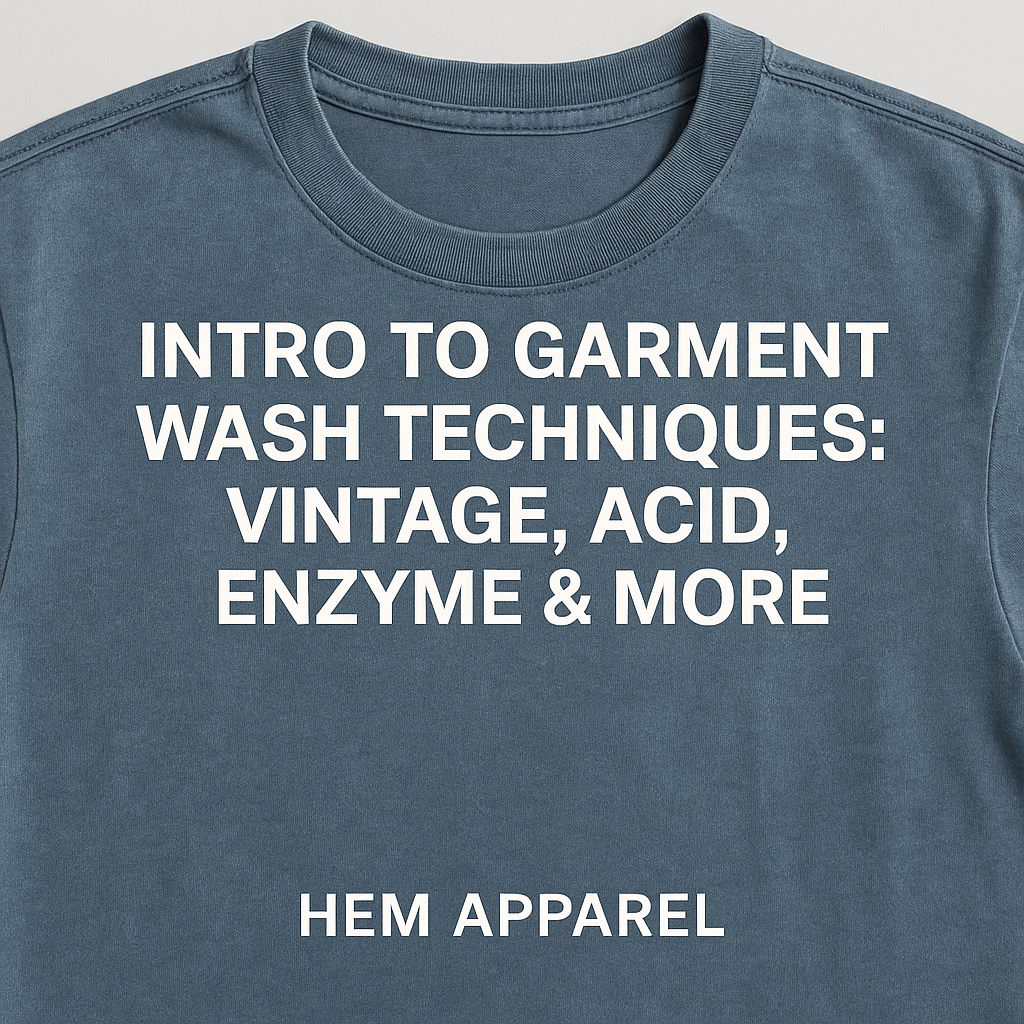
Most common for T-shirt neckbands. It stretches easily, bounces back well, and provides a neat finish.
→ At HEM, we use thick 1x1 rib (with 1” width) in our heavyweight blanks to create a strong neckline. -
2x2 Rib:
Thicker and chunkier. Often used for hoodie waistbands, jogger cuffs, or knitted garments. Feels more premium and is visually bolder.
🧠 Pro Tip from HEM APPAREL:
Want a luxury streetwear vibe? Use 1x1 rib on the neck with wider width (1–1.2”) and reinforced topstitching. Want a relaxed, cozy hoodie? Go for 2x2 rib cuffs in 320gsm fleece.
Explore blank wholesale
OEM & Private Label
Need help? Chat
Follow us on Instagram